June 25-28, 2026 | Near Worcester, VT
Weaver Camp 2026
Please Note: This information is for Weaver Camp 2026. Enrollment for our next camp will open in spring 2027.
THE WORLD NEEDS OUR MAGIC and we need each other to heal and grow into our fullest potential for change-making. Join us this summer for Weaver Camp in Vermont!
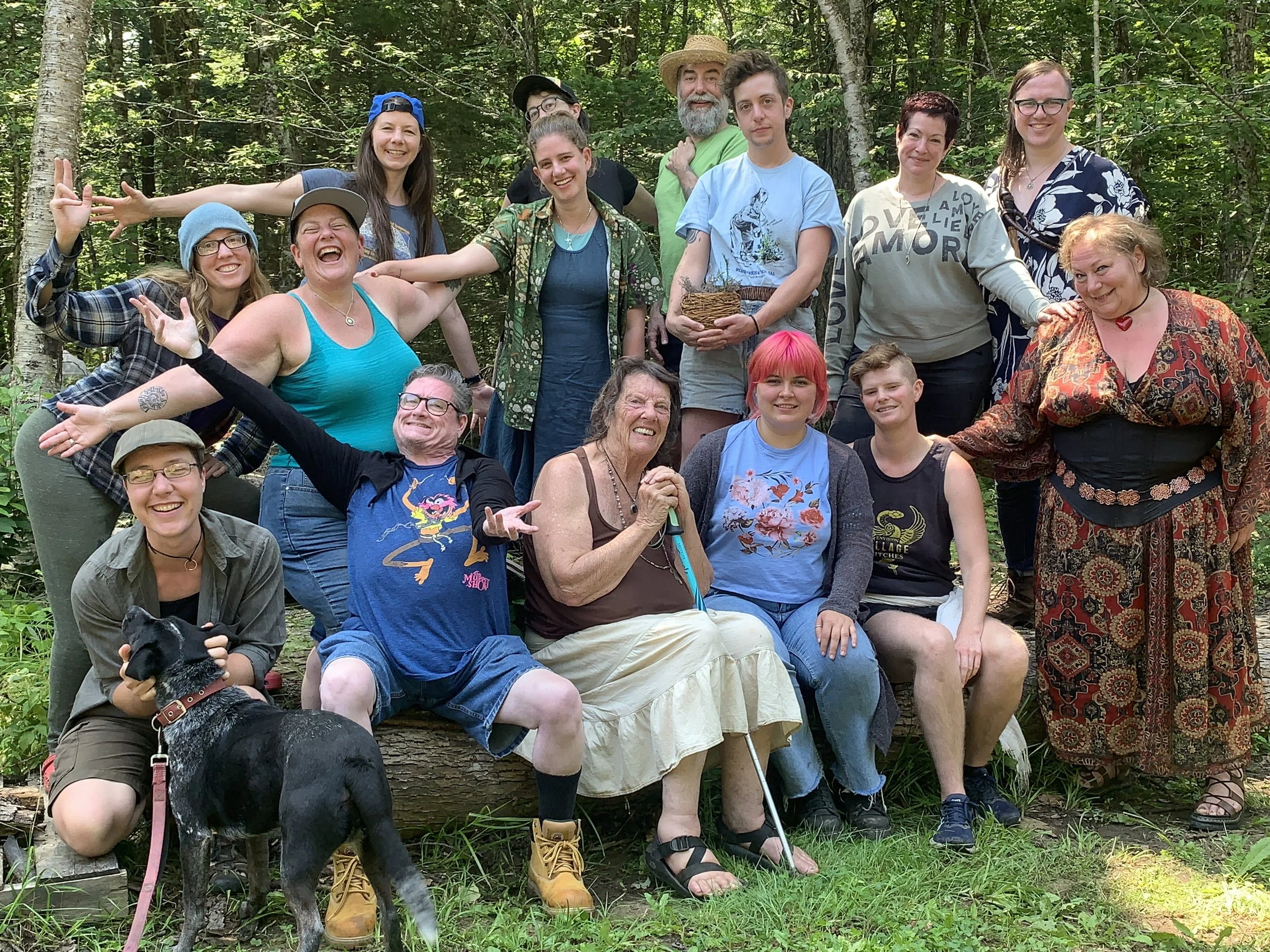
Weaver Camp group photo, July 2023.
Join us this summer for Weaver Camp in Vermont!
Join us for a four-day weekend of magic, ritual, and community on the Vermont mountainside. We’ll camp in the forest, eat spectacular meals lovingly crafted from local food, and open our hearts to connection with kindred spirits. We believe that magic is real, present all around us, and a profound tool for justice and transformation.
Our gathering is queer-centric, justice-oriented, and radically enchanted. All are welcome (18+), whether or not you’ve participated in our online modules or in-person cohorts. We believe that you are your own spiritual authority, and we value informed consent in all our magic. Camp is located in the forest by a mountain brook in Abenaki Territory (Worcester, Vermont).
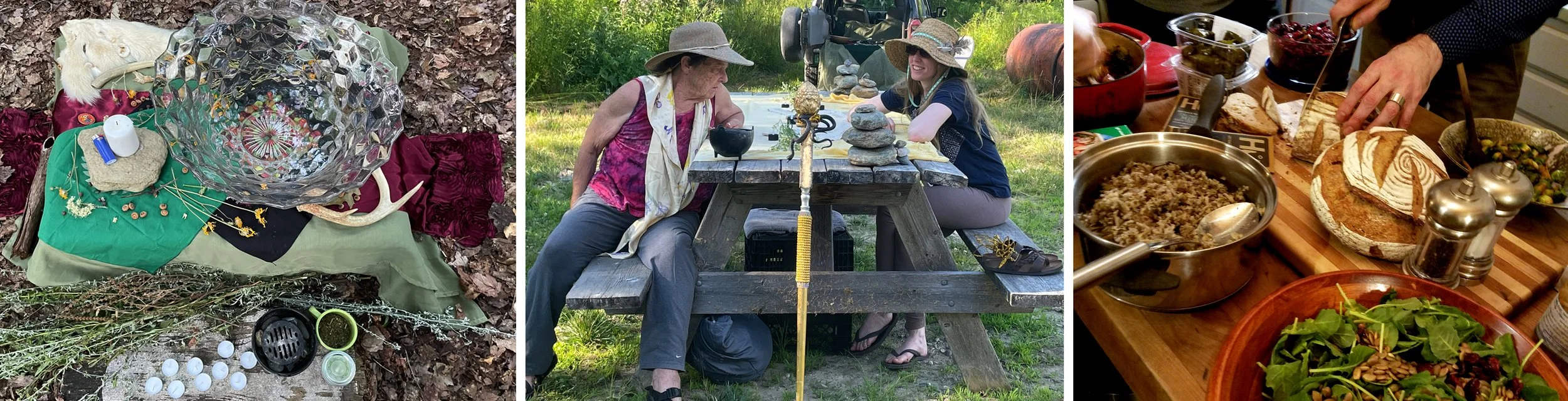
Weaver forest altar, conversations around the picnic table, delicious food. Photo credit (left, center): Jules Patigian.
What will Weaver Camp be like?
Camp starts at noon on Thursday and ends at noon on Sunday. On Thursday we’ll get to know each other with an opening circle that includes group agreements, introductions, and song and story sharing. Full days (Friday and Saturday) include morning workshops on magic, myth, and folklore, afternoon flex time to rest, explore the land, craft, and hang out in community, and an evening group ritual. On Sunday there will be time to share about our experiences in ritual and during the weekend before we clean up and break camp.
Theme for Weaver Camp 2026
Each of our camps and retreats is centered around a different deity and culturally-grounded mythos. We engage in an extended process of divination and trance work to determine what deity and story are going to bring the wisdom we need at this particular time and place.
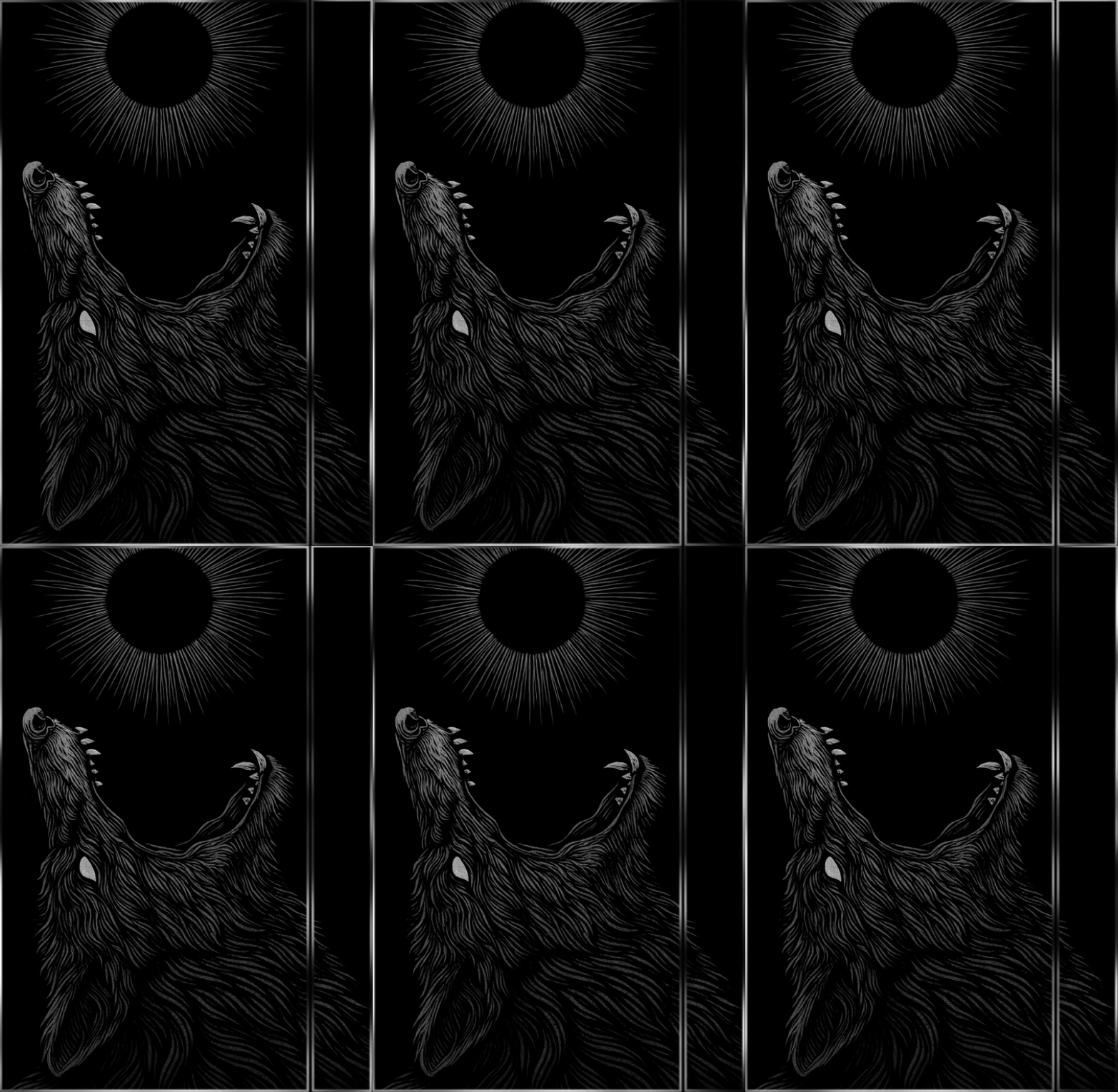
But prophecy tells them that Fenrir is destined to break those fetters and seek retribution for the trick that bound him, initiating the battle of Ragnarok that brings about the end of the world.
Fenrir’s experiences of prejudice, betrayal, unjust imprisonment, and seeking justice offer us a mythical lens for understanding our own times. His powers of strength, honesty, and endurance can give us courage.
When exploring material from the Norse tradition, we approach it with an anti-racist, decolonial, queer, and feminist lens. We question the valorization of the Aesir gods (Odin, Thor, etc) in the medieval Eddas and often look for the heroism that can be found in the narratives of the traditionally-villainized giants and monsters. If flipping the narrative in this way sounds intriguing to you, you’ll enjoy this camp!
In 2026, we welcome Fenrir! How do we break our fetters and restore justice? What is the treacherous bargain we are tempted to strike, even though we suspect it could be our undoing? What is our role in hitting the reset button on unfair systems of domination? Fenrir is a wise teacher for us in a time of impossible choices, dishonest bargains, and the scapegoating of entire slices of our society.
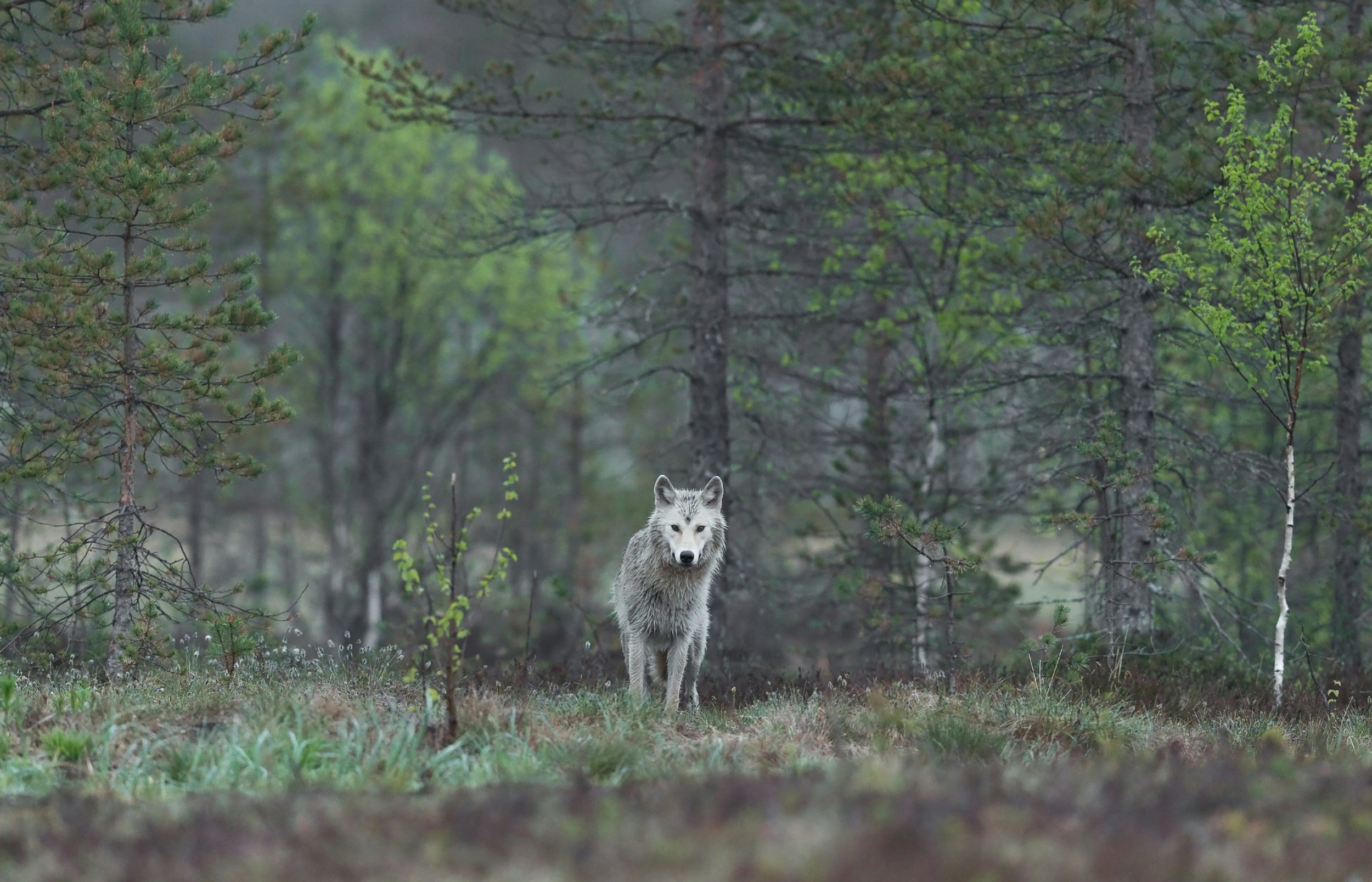
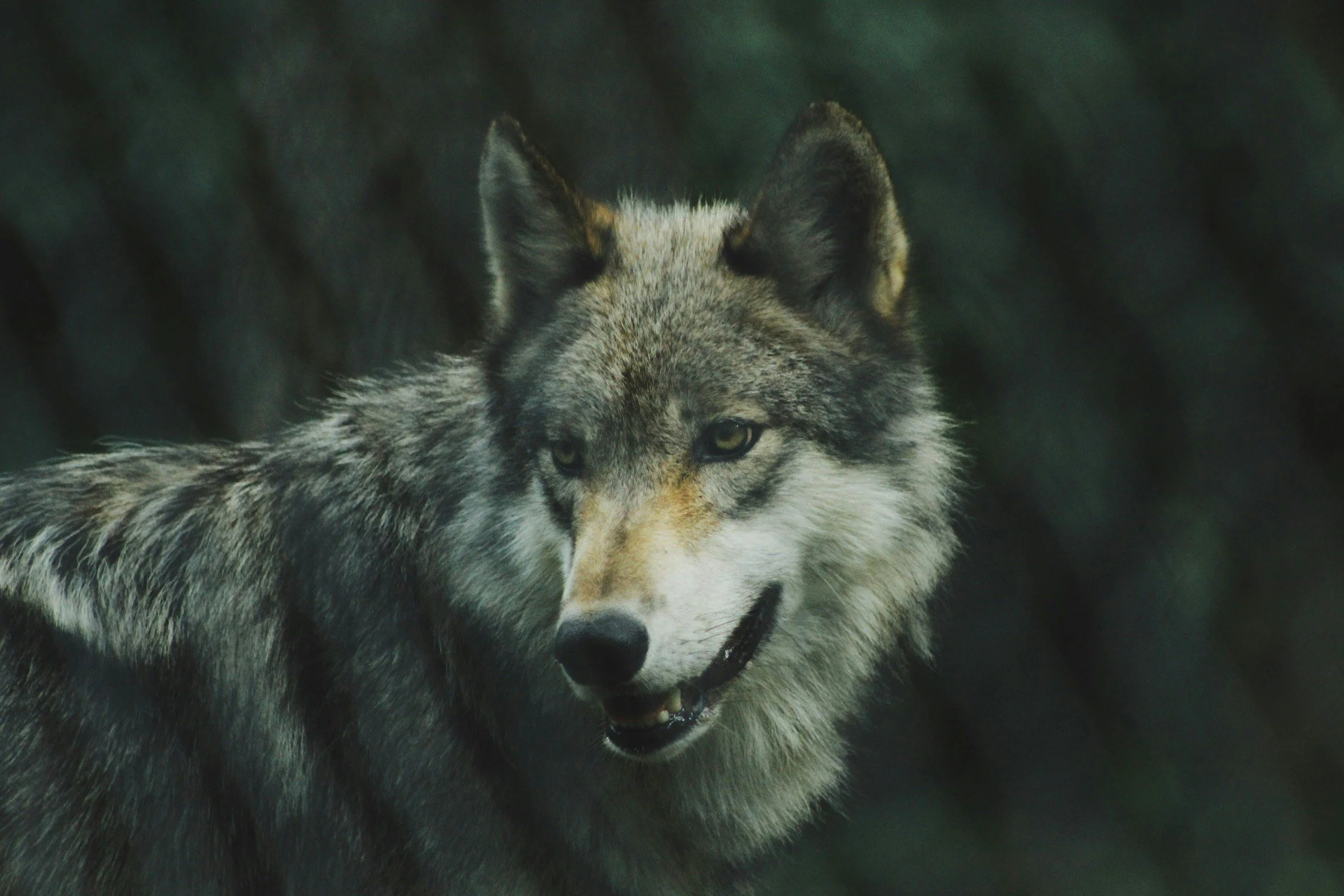
Fenrir, the giant wolf of Norse Myth, is feared because of his strength. He has never hurt anyone, but because he could, he is called a monster by the gods. Fenrir comes from the wrong side of the tracks (the Iron Wood where the giants live) and his parentage is considered unfavorable: his mother is a giantess known for birthing “monsters” and his father Loki is an inveterate trickster and shapeshifter who seems more than a little queer. When the gods try to pre-emptively bind Fenrir so this friendly wolf pup can do them no harm in the future, he easily breaks the strongest bonds. The gods resort to dishonesty and bind him with a magical fetter, breaking their promise to let him free once he has tested his strength.
Illustration credit (above): Fenrir by PetalVeil. Image credits left to right: Hans Veth, Michael LaRosa, and Marek Szturc on Unsplash.
Tuition & Logistics
When: June 25-28, 2026. Camp runs from 12pm on Thursday to 12pm on Sunday. We engage in joyful, deep, and sometimes intensive magic at Weaver Camp; please plan to arrive on time and attend all four days to be fully present with our community.
Where: Camp is located in the forest by a mountain brook in Abenaki Territory (Worcester, Vermont). You will receive directions upon registration.
What’s included: Food for the weekend (Thursday dinner to Sunday breakfast), camping space (bring your own gear), and all workshops and rituals.
How much does it cost? We have a sliding scale for camp tuition. Please pay higher on the sliding scale if you are able – this is what allows us to offer discounted spots to those who need them. Below are rates for Weaver Camp 2025:
$625: I can pay for myself and another person who needs support coming to camp
$475: I can pay for myself and a bit extra for someone else
$375: I can pay my own way
$225: I need financial support to come to camp
$95: BIPOC Reparations Rate
Refund Policy: As a small community endeavor, we operate on a very tight budget and are not able to offer refunds for this program. If you find that you are not able to attend camp after you register, please let us know. You can transfer your enrollment to a friend who would enjoy camp, or you can donate your spot to another Weaver who could not otherwise afford camp.
Please Note: This information is for Weaver Camp 2026. Enrollment for our next camp will open in spring 2027.
What people are saying about Weaver Camp...
-
“So much thought & intention about framing, container setting, culture building, and logistical systems! The community vibe and praxis…people taking care of each other, modeling group consensus and collaboration. Murphy & Jamie — you're both gifted teachers and facilitators, and you've built an impressive culture of creative, magical, and critical thinkers. It felt special to be included in a group of mixed experience levels. Having insights into what a sustained ritual community is capable of was really helpful!”
— Carly (Massachusetts)
-
“The structure is great. There is an amazing balance of learning, playing, free time, and ritual. There is so much respect and trust within this circle that people are able to step out and step up in ways they did not think was possible.”
— S. Elwyn (Massachusetts)
-
“Everyone was so kind and welcoming. I really appreciated the primary source resources along with the magical stories/rituals. The food was really good, too!”
— Kaila (Quebec, Canada)
-
“The combination of levity & gaiety makes the magic so digestible.”
— River (Vermont)